
Autumn Stories
“October comes with rain whipping around the ankles” Louis MacNeice, Autumn Journal
Introduction
August blurred into September and now it’s October. Seasons, eh?
September was a very busy work month, which combined with caring for my wife as she recovers from a broken femur, one crutch-supported step at a time, meant I missed getting this out last month. This will be a briefish one, too, to share some things published last month and, maybe, start to get my newsletter mojo working again.
Future Arts Centres: What’s the Story?
I’ve done a lot of training and development around the Most Significant Change evaluation method lately – from festival teams to social housing providers and many arts centres, thanks to the good folk of Future Arts Centres. FAC have just published a report on the 2025 Action Research Group focussed on Most Significant Change. What’s The Story? (I’m no massive Oasis fan but it seemed topical) reiterates the key principles of MSC, and the value people got from it.
Here’s a couple of choice quotes:
“It’s about having a broad toolkit, so you can use the right tool for the right job. We’re really good at doing data. We’re lucky to have a statistician in the team, so we do heat mapping of audiences and all that stuff really effectively. But it’s so much harder to articulate our value; I can brainstorm with our team and trustees, but it’s always felt instinctive, not evidence based. We know we are a community asset – not necessarily in the legal sense, but in the widest sense – and MSC has helped to give me the vocabulary for that. This group has really helped us have the knowledge to advocate and articulate our case, in a way that avoids falling into trite phrases, and can really be authentic.”
“The Board have been able to get closer to our communities, and our business planning now draws on all those connections – right up to specific impact on particular places. We’re now speaking to major funders about big opportunities; there are lots of different factors at play, but I just don’t see how those conversations would have come about without MSC.”
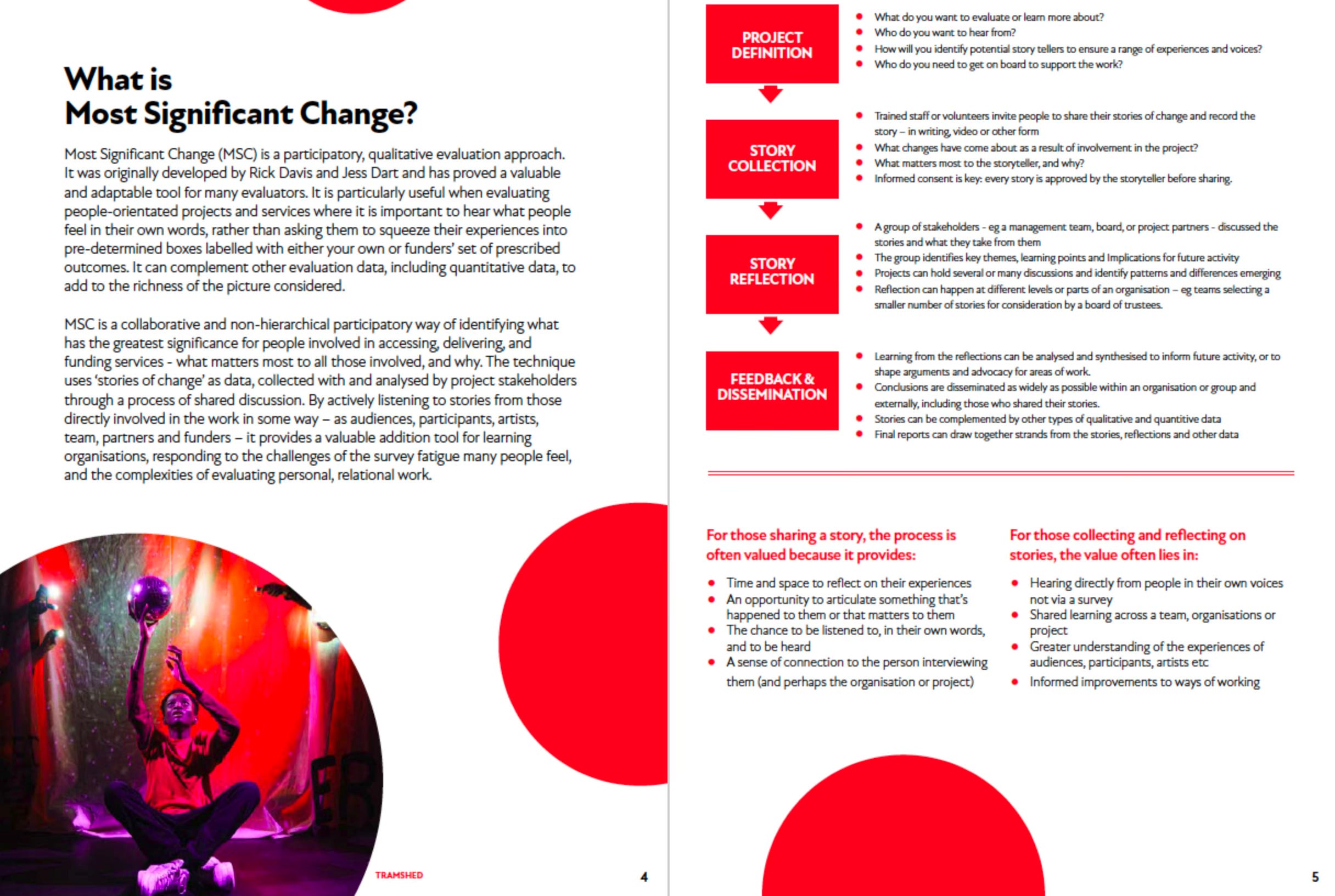
Learning points for group members included understanding the distinction between story as data/evidence to gain insight and learning from based on reflection and analysis, and story as advocacy (to make strategically pre-determined points to persuade targeted audiences) or story as case study (to illustrate learning, practice or model to make ideas concrete).
The stories participants collected also showed three key aspects to arts centre practice:
· Arts centres are central to lifelong creativity
· Arts centres as social infrastructure
· Cultural confidence in community
Read the report by clicking on the word here here: here.
Baring Foundation Arts Programme Evaluation Report
One of my big pieces of work recently was for the Baring Foundation, evaluating the first five years of their Arts and Mental Health programme, alongside collaborators Imogen Blood and Lorna Easterbrook. Our report has recently been published, accompanied by an introductory blog.
This was a fascinating and substantial piece of work, giving insight into the field of creative health through the lens of mental health, and into the work of national networks and small organisations alike. We were pleased that Baring Foundation selected us for the gig as we had proposed an inclusive process including surveys and interviews alongside using Most Significant Change stories and reflection groups. This allowed us to develop shared perspectives on the field and those stories, and involving people active in the field – with ‘skin in the game’ – to inform our own final analysis. Not only that but the provided sufficient budget to pay individuals and small organisations for their involvement. This kind of openness is challenging for some funders. As we found, it sits well with Baring Foundation’s style as a funder.
20 stories were co-created with individuals from a cross-section of organisations funded by the programme in the last five years. I would encourage everyone to read the appendix of stories from the Most Significant Change process as well as our main report. They are insightful and inspiring in themselves: a rich portrait of the diversity, imagination and dedication of a field working with people in their most vulnerable moments.
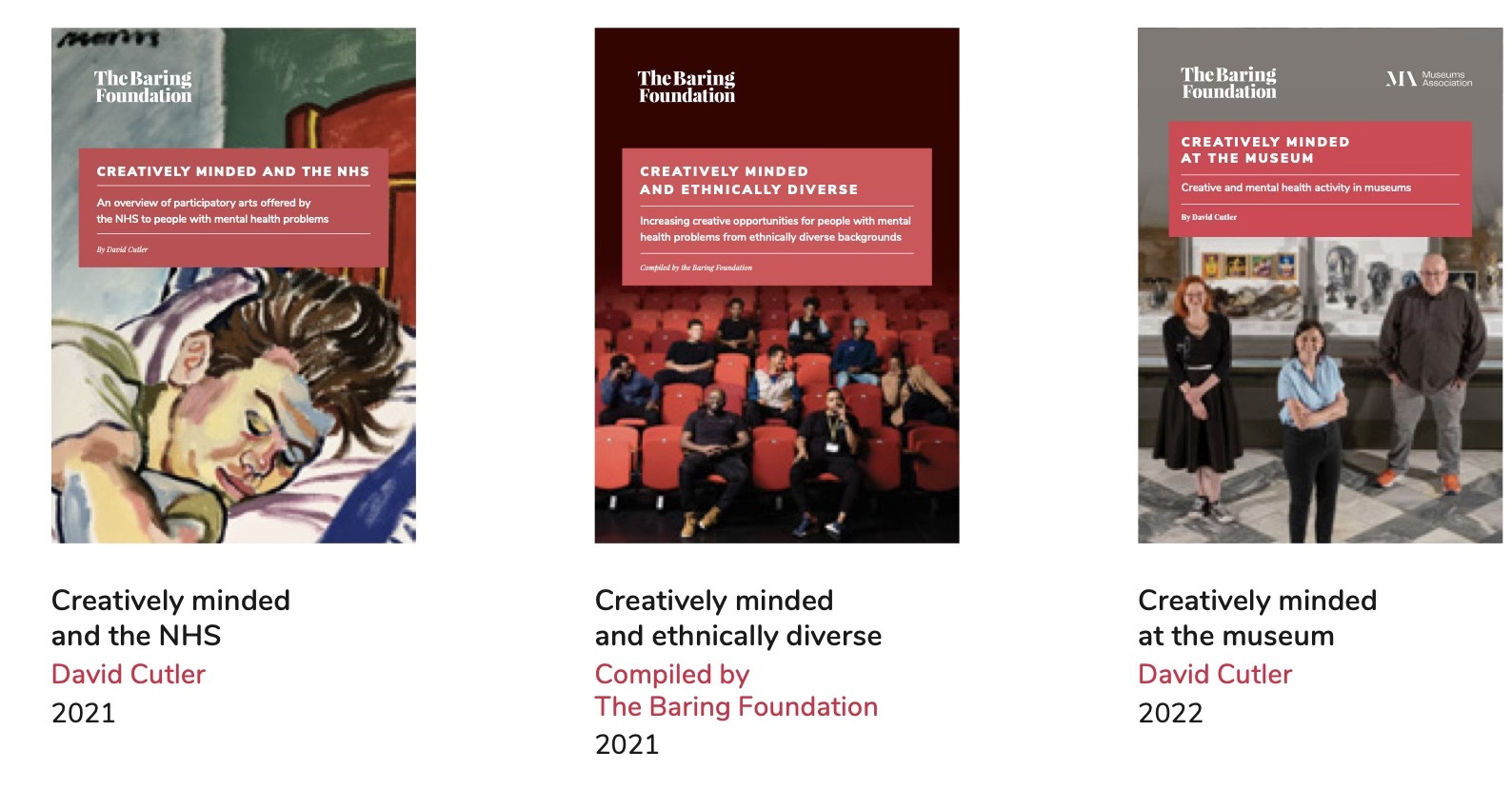
The Foundation has made a major impact on a rapidly developing area of practice, but the field (as a whole) remains fragile and precarious. We suggest the key thing is to maintain diversity and innovative approaches whilst sustaining exemplar organisations and networks best-placed to develop cross-sector partnerships and the evidence base. Longevity in this field (like many others) is unlikely to emerge solely from innovation: it will need key players such as the Foundation and others including national funding bodies and health partners to work on shared agendas, while allowing space for difference.
National pride
I want to return to the summer craze for flags when I have more time, but meanwhile a new report from Spirit of 2012 gives insight on the divisions or potential differences within communities that thinking about national pride can uncover, whilst focussing on the role of major events. I would urge you to read it.
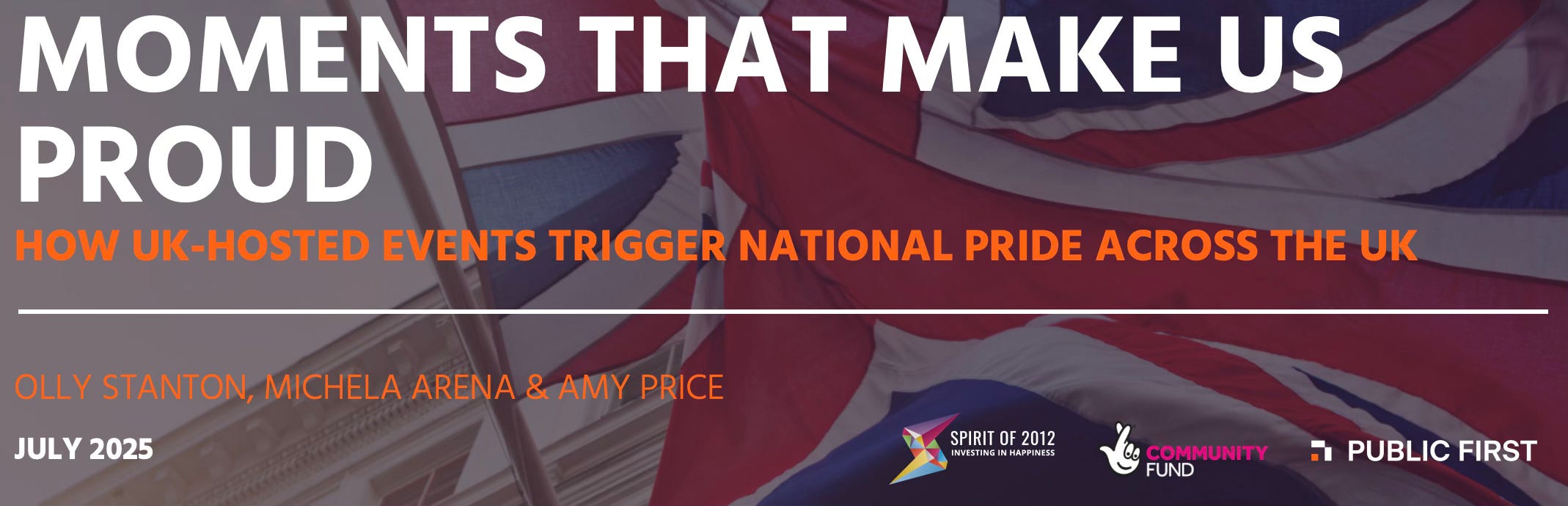
Moments That Make Us Proud looks specifically at the way national events can inspire positive and healthy national pride. Which they can, and which people tend to support. What took me aback slightly when it was first presented to the Spirit committee I sit on was the segmentation that emerges.
Roughly even proportions of people were classified as ‘Nostalgic Nationalists’ (people who find pride in traditional and royal events steeped in history), ‘Proud Participants’ (who see events as occasions to connect, celebrate and get together with fellow Brits) and ‘Cultural Centrists’ (who favour modern and inclusive events that reflect a more diverse and evolving Britain). Just under one in five people are ‘Sideline Sceptics’ disengaged from most events, except sporting occasions.
If one of every four people of my neighbours is a Nostalgic Nationalist what does that mean for my version of inclusiveness? More on that in a future newsletter.
And finally…
A couple of plugs:
I am delivering some online training for Arts Fundraising and Philanthropy in November, which you can still sign up for the paltry sum of £40. On Wednesday 19th November I’ll be joining the dots between fundraising, creative resilience, the adaptive cycle and collaborative leadership. This will echo the sessions I’ve done in recent years for their Fundraising Fellows at University of Leeds.
Sign up on the Arts Fundraising and Philanthropy website, and check out their other training offers.
Last time out I shared a podcast I had done with Imogen Blood. Imogen has been busy interviewing others since and has brought them all together at this new home: https://imogenbloodpodcast.com. If you’re interested in change and communities you should have a listen.